Sustainable Solutions: How E-Waste Recycling Services Are Saving Our Planet
Electronic waste presents serious dangers to the environment, as abandoned electronic devices commonly carry harmful materials. These toxic materials have the potential to taint soil and water sources, resulting in widespread environmental harm. E-waste recycling services present a viable solution. They not only recover valuable resources but also mitigate pollution. Comprehending the operation of these services and their influence on communities is of great importance. The journey towards effective e-waste management raises critical questions about individual responsibility and collective action. What actions should be considered going forward?
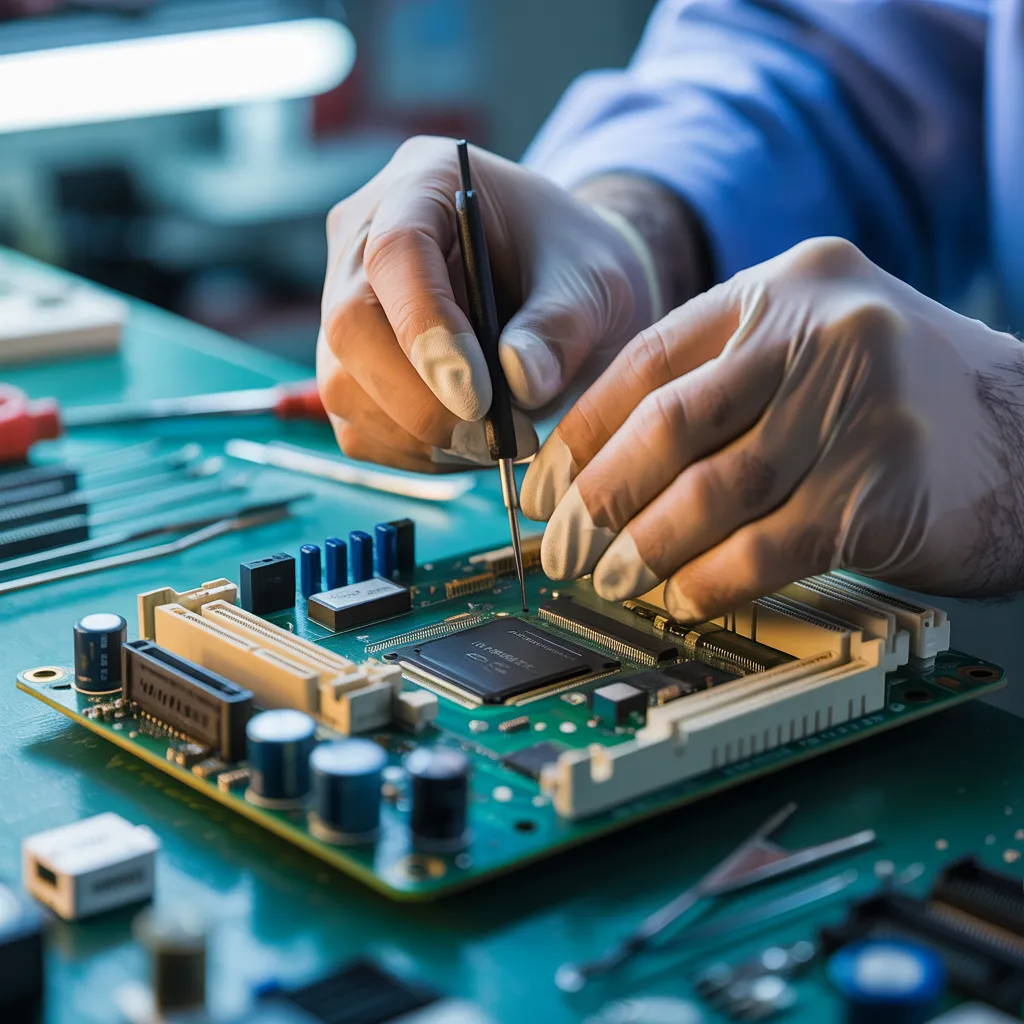
The Reasons E-Waste Is Damaging to the Planet
Although technology enriches contemporary living, electronic waste presents serious threats to the environment. Disposed electronic equipment, often containing toxic substances including cadmium, lead, and mercury, can leach toxins into the surrounding soil and water supply, creating hazards for both wildlife and human well-being. The swift progression of technology results in increased consumer turnover of electronics, worsening the buildup of discarded electronic materials.
Landfills, already strained by waste, are unable to keep up with the rising quantities of abandoned electronics. Burning, an alternative disposal approach, discharges toxic contaminants into the air, worsening overall air quality. Furthermore, inadequate recycling methods can result in the shipment of electronic waste to underdeveloped nations, where workers may break down equipment without proper protective measures, putting themselves at risk of exposure to hazardous materials. This cycle of neglect and improper handling underscores the urgent need for sustainable recycling solutions that can mitigate the adverse effects of e-waste on the planet.
What Is E-Waste and Its Importance?
E-waste, or electronic waste, comprises discarded electronic devices like televisions, computers, and smartphones that have exceeded their operational View article lifespan. This rapidly expanding waste category is noteworthy owing to its accelerating volume, driven by technological advancements and consumer trends. With an increasing number of devices reaching obsolescence, the environmental impact intensifies, with dangerous elements including lead, mercury, and cadmium threatening both ecosystems and public health.
Addressing e-waste is crucial not only for reducing these dangers but also for acknowledging the precious materials found within it. Valuable metals and rare earth materials can be extracted and repurposed, lessening the demand for mining and preserving natural resources. With a thorough understanding of e-waste and its impact, people and organizations alike can make educated decisions about disposal and recycling, helping to build a more sustainable world. Effective handling of e-waste is vital for encouraging a circular economy and advancing environmental responsibility.
The Way E-Waste Recycling Functions
E-waste recycling entails a structured approach intended to extract beneficial components while limiting ecological damage. At the outset, electronic waste is gathered and delivered to dedicated processing centers. Upon arrival, the devices undergo thorough sorting to distinguish harmful elements from reusable resources.
Following this, specialists deconstruct the devices, separating metals, plastics, and glass. This process is vital, as it makes possible the recovery of precious metals like copper, gold, and silver, which are repurposed in new electronic devices.
Subsequently, the sorted materials are treated via advanced techniques, such as mechanical shredding and chemical processing, to cleanse them for repurposing.
Ultimately, the remaining hazardous materials are disposed of responsibly, adhering to environmental regulations. This systematic method not only conserves resources but also reduces the dangers associated with improper e-waste disposal, securing a more eco-conscious future for electronic device usage.
Why E-Waste Recycling Matters for You and Your Community
Though many people are unaware, the positive effects of e-waste recycling reach well past personal use to meaningfully influence entire communities. By carefully processing electronic waste, individuals contribute to a safer environment, decreasing harmful substances that can leach into soil and water. This responsible method helps preserve local ecosystems and promotes public health.
Furthermore, e-waste recycling fosters the creation of jobs in communities. Nearby recycling establishments regularly need employees for a range of functions, including collection and processing, consequently creating meaningful employment within the community. This not only strengthens the regional economy but also promotes community participation in sustainable initiatives.
Moreover, understanding of e-waste recycling has the potential to generate learning opportunities, equipping residents to pursue greener alternatives. By enrolling in e-waste recycling programs, individuals foster a culture of sustainability, encouraging others to embrace similar practices. In summary, the shared impact of these actions can contribute to a more strong and environmentally aware community.
Tips for Choosing an E-Waste Recycling Service
Selecting the best e-waste recycling service is essential for ensuring that electronic refuse is handled with responsibility and sustainability. Initially, people should confirm the provider's credentials, such as e-Stewards or R2, which demonstrate adherence to established benchmarks for secure waste disposal procedures. It is equally important to evaluate the organization's credibility by checking reviews and looking for recommendations from trusted sources.
Furthermore, openness in the recycling process is crucial. A trustworthy service should supply straightforward details about the manner in which e-waste is managed and what becomes of the materials. Moreover, assessing the variety of services available can be advantageous; certain providers may offer collection services or present rewards for recycling.
Finally, understanding regional rules concerning e-waste disposal may further shape the selection process. Through focusing on these key aspects, residents can actively participate in efficient electronic waste handling alongside encouraging sustainable environmental efforts.
How You Can Get Involved in E-Waste Recycling?
Engaging in e-waste recycling can start at the local level, where recycling centers regularly supply essential services for safe disposal. Furthermore, taking part in community awareness campaigns can enhance efforts to educate others about the importance of proper e-waste handling. Such efforts not only advance environmental sustainability but also cultivate a collective sense of stewardship of the environment.
Community Recycling Locations
A wide range of neighborhood recycling stations serve a vital function in electronic waste recycling, offering communities convenient opportunities to discard electronic waste in an eco-friendly way. These stations receive a selection of electronic devices, including used computers, handheld devices, and televisions, verifying that toxic materials are disposed of safely. Many hubs feature trained staff who help individuals navigate appropriate disposal procedures, stressing the significance of recycling instead of landfilling. In addition, several stations organize scheduled drop-off occasions or specific collection dates, making it easy for residents to participate. By engaging with these local facilities, community members advance a circular economy, reducing environmental impact and promoting sustainable practices. Partnering with these facilities empowers communities to take action against e-waste pollution effectively.
Public Awareness Initiatives
Nearby organizations, schools, and enterprises can partner to arrange initiatives that encourage e-waste collection drives. Volunteers can play a pivotal role in raising awareness, sharing informational resources, and connecting with local residents. Through these collective efforts, local inhabitants gain greater awareness and encouragement to properly recycle their e-waste, ultimately contributing to a more sustainable future.
Frequently Asked Questions
Which Types of Electronics Are Recyclable?
Many different electronics can be recycled, including smartphones, computers, laptops, televisions, printers, and gaming consoles. In addition, accessories such as batteries, keyboards, and mice are equally appropriate for recycling, promoting efforts to conserve the environment.
Are There Fees Involved With E-Waste Recycling?
That's correct, e-waste recycling may involve fees, depending on the facility. Certain providers apply costs for pickup or handling, while some providers provide no-cost solutions, frequently supported by the sale of reclaimed components.
How Do Businesses Gain From E-Waste Recycling?
Organizations can gain from e-waste recycling by minimizing disposal costs, strengthening their ecological standing, meeting compliance standards, recovering valuable materials, and creating potential earnings via resale, ultimately contributing to a more sustainable operational strategy.
What Happens to Data on Recycled Devices?
Data regarding recycled devices is commonly completely removed or eliminated throughout the recycling process. This ensures private details remains secure, blocking unwanted intrusion while allowing materials to be reused carefully and ethically in new products.
Are Broken Electronics Eligible for Recycling?
Indeed, non-functioning electronics are able to be recycled. A wide range of recycling centers receive non-functioning devices, guaranteeing proper disposal and recovery of useful materials. This effort helps decrease environmental impact while supporting eco-friendly recycling methods to address e-waste responsibly.