Green Initiatives: How E-Waste Recycling Services Are Protecting Our Planet
E-waste represents a considerable hazard to the environment, as disposed electronics frequently harbor hazardous substances. These toxic materials have the potential to taint soil and water sources, causing extensive damage to surrounding ecosystems. E-waste recycling initiatives provide a practical answer. They not only recover valuable resources but also mitigate pollution. Gaining insight into how these programs function and affect local communities is critical. Pursuing efficient e-waste management brings forth pressing questions regarding individual duties and shared responsibility. What measures can be pursued from this point onward?
How E-Waste Is Hurting the Planet
While technological advancements improve modern life, e-waste poses serious threats to the environment. Disposed electronic equipment, commonly laden with hazardous materials such as lead, mercury, and cadmium, can leach toxins into groundwater and soil, posing risks to human health and ecosystems. The accelerating rate of technological innovation contributes to higher rates of electronics disposal among consumers, worsening the buildup of discarded electronic materials.
Landfills, already burdened with waste, struggle to accommodate the growing volumes of discarded gadgets. Incineration, another disposal method, releases harmful pollutants into the atmosphere, contributing to air quality degradation. In addition, improper recycling practices can lead to the exportation of e-waste to developing countries, where laborers may dismantle devices without adequate safety measures, exposing themselves to dangerous substances. This pattern of negligence and mismanagement highlights the critical demand for eco-friendly recycling alternatives that can reduce the damaging impact of electronic waste on the environment.
Understanding E-Waste and Its Significance
E-waste, also referred to as electronic waste, encompasses unwanted electronic equipment such as smartphones, computers, and televisions that have exceeded their operational lifespan. This increasingly prevalent form of waste is important owing to its accelerating volume, fueled by innovation in technology and shifting consumer habits. As growing numbers of electronics become outdated, the toll on the environment grows more severe, with harmful substances like lead, mercury, and cadmium presenting serious hazards to the environment and human well-being.
The significance of tackling e-waste extends beyond minimizing these risks to recognizing the valuable resources it holds. Valuable metals and rare earth materials can be extracted and repurposed, lessening the demand for mining and preserving natural resources. By understanding e-waste and its implications, individuals and organizations can make informed decisions about disposal and recycling, ultimately contributing to a more sustainable future. Responsible management of e-waste plays a key role in supporting a circular economy and championing environmental stewardship.
The Way E-Waste Recycling Functions
E-waste recycling entails a systematic process aimed at reclaiming useful resources while minimizing environmental impact. To begin, electronic waste is gathered and delivered to purpose-built recycling plants. Upon arrival, the equipment is meticulously organized to distinguish harmful elements from reusable resources.
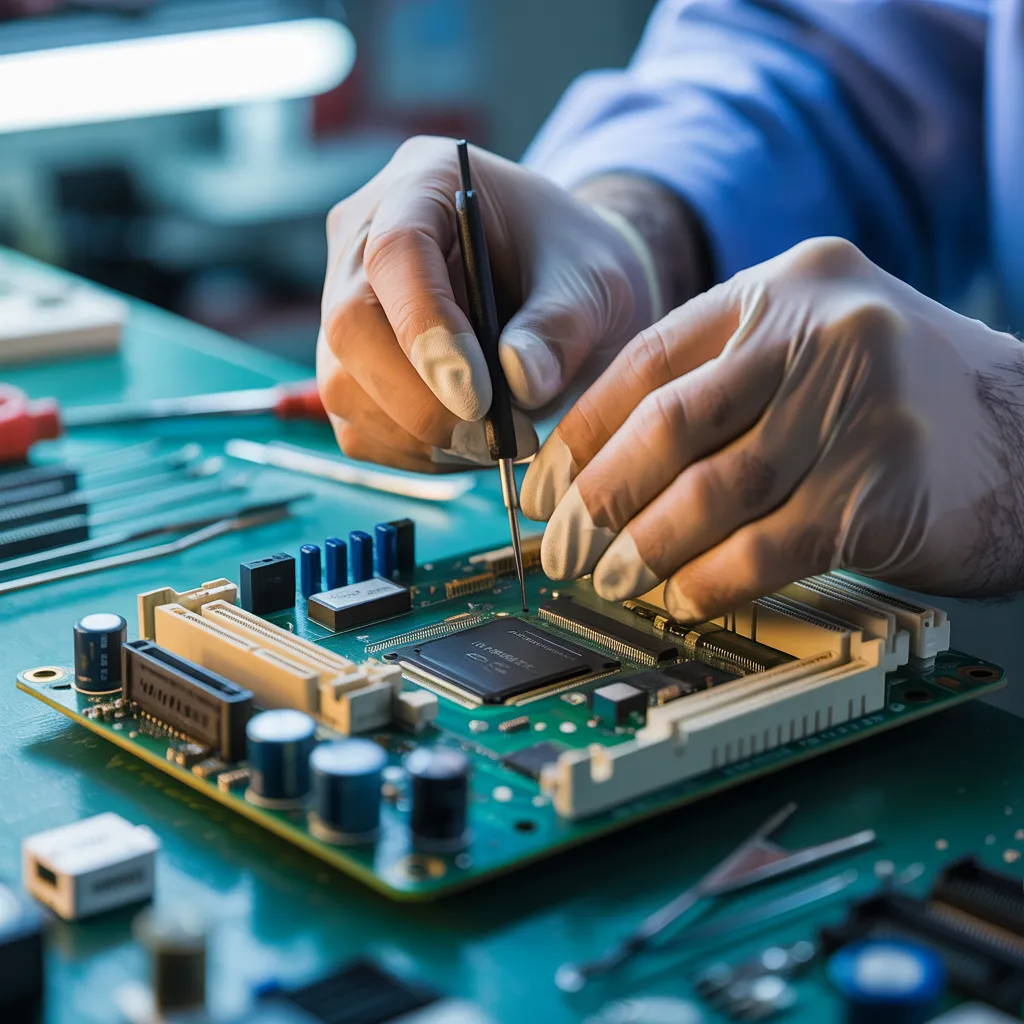
Subsequently, workers dismantle the devices, recovering glass, metals, and Learn more plastics. This step is critical, as it facilitates the retrieval of rare metals like silver, gold, and copper, which may be utilized in new electronics.
Following this, the isolated materials are refined using sophisticated techniques, such as shredding and chemical treatments, to cleanse them for reuse.
Finally, the residual hazardous materials are disposed of responsibly, complying with environmental guidelines. This comprehensive process not only saves important resources but also mitigates the risks associated with improper e-waste disposal, guaranteeing a greener future for electronic consumption.
Benefits of E-Waste Recycling for You and Your Community
Although it often goes unnoticed, the advantages of e-waste recycling go far beyond individual benefit and actively shape entire communities. By responsibly disposing of electronic waste, individuals help foster a cleaner environment, reducing hazardous materials that can leach into soil and water. This proactive approach actively safeguards local ecosystems and promotes public health.
Furthermore, the recycling of e-waste encourages employment opportunities within local communities. Community recycling operations commonly require workers for a range of functions, spanning collection through processing, therefore offering work opportunities within the community. This not only stimulates the local economy but also inspires community dedication to sustainable efforts.
In addition, awareness of e-waste recycling is capable of inspiring community outreach programs, enabling residents to embrace sustainable practices. By participating in e-waste recycling programs, individuals nurture a culture of sustainability, encouraging others to join the movement. In summary, the shared impact of these actions can contribute to a more strong and environmentally aware community.
A Guide to Selecting an E-Waste Recycling Service
Selecting the best electronic waste recycling provider is essential for ensuring that electronic waste is managed with responsibility and sustainability. To begin, individuals should check the company's certifications, such as e-Stewards or R2, which signify conformance to industry standards for secure waste disposal procedures. Additionally, it is advisable to assess the organization's standing by reviewing feedback and obtaining referrals from reliable sources.
Moreover, clarity in the recycling process is essential. A dependable company should provide clear information about the way e-waste is handled and what happens to the materials. Additionally, assessing the variety of services available can be advantageous; some companies may provide pickup services or offer incentives for recycling.
Finally, familiarizing yourself with local regulations regarding e-waste disposal can help inform the choice of disposal method. When these considerations are given priority, people are able to support responsible e-waste disposal while supporting green and responsible behaviors.
How You Can Take Part in E-Waste Recycling?
Getting involved with e-waste recycling can start at the local level, where community recycling hubs often provide essential services for responsible disposal. Furthermore, taking part in community awareness campaigns can enhance efforts to educate others about the importance of responsible e-waste management. Such efforts not only encourage sustainable practices but also cultivate a collective sense of responsibility toward the environment.
Area Recycling Stations
A wide range of local recycling centers perform an important function in the recycling of e-waste, giving communities practical solutions to manage electronic waste appropriately. These centers accept a wide array of digital devices, including old computers, smartphones, and televisions, guaranteeing that dangerous substances are processed safely. The majority of facilities employ trained staff who support individuals in understanding proper disposal practices, underscoring the benefits of recycling compared to landfilling. Additionally, various hubs coordinate planned drop-off gatherings or set collection days, enabling residents to engage without difficulty. By utilizing these local services, people help build a circular economy, lowering environmental harm and encouraging sustainable habits. Working alongside these hubs empowers communities to take action against e-waste pollution effectively.
Community Outreach Campaigns
Local organizations, schools, and businesses can work together to organize events that support e-waste collection drives. Community members can serve a critical function in spreading awareness, distributing educational materials, and engaging with the community. As a result of these combined actions, community members grow more knowledgeable and inspired to dispose of their electronics responsibly, thus playing a meaningful role in creating a more environmentally responsible future.
Questions We Often Receive
Which Types of Electronics Are Recyclable?
Various electronics may be recycled, including smartphones, computers, laptops, televisions, printers, and gaming consoles. Furthermore, peripherals such as keyboards, mice, and batteries are also suitable for recycling, promoting efforts to conserve the environment.
Do Any Costs Come With E-Waste Recycling?
That's correct, e-waste disposal sometimes comes with fees, based on the service provider. Some facilities charge fees for gathering or treatment, while others make services available at no charge, typically funded by the resale of recovered materials.
How Can Businesses Benefit From E-Waste Recycling?
Businesses can benefit from e-waste recycling by reducing disposal costs, improving their green reputation, meeting compliance standards, recovering valuable materials, and possibly earning income through resale, thus supporting a greener and more sustainable operational framework.
What Happens to Data on Recycled Devices?
Information regarding recycled electronics is frequently permanently erased or destroyed during the refurbishment process. This ensures sensitive information is kept safe, preventing unauthorized access while enabling materials to be recycled safely and responsibly in new products.
Is It Possible to Recycle Damaged Electronics?
Yes, non-functioning electronics are able to be recycled. A wide range of facilities process non-functioning devices, guaranteeing proper disposal and extraction of useful materials. This effort helps reduce harm to the environment while fostering sustainable recycling habits to address electronic waste effectively.